
Experience Winter in Kyoto❄️️: Relax at Onsen & Ryokan
Kyoto Coupon 10% off(Up to 6,000JPY)
・Reservation period: 2025/12/1(Monday) ~ 2026/02/28(Saturday)
・Accommodation period: 2025/12/1(Monday) ~ 2026/02/28(Saturday)
・10% off for stays of 1 JPY or more (maximum discount of 6,000JPY)
・Valid for bookings with 2 or more adults.
Coupon code:JPKYT25DC10
※Ends as soon as it runs out
Kyoto’s Ryokan: A Sensory Journey into Tradition and Omotenashi


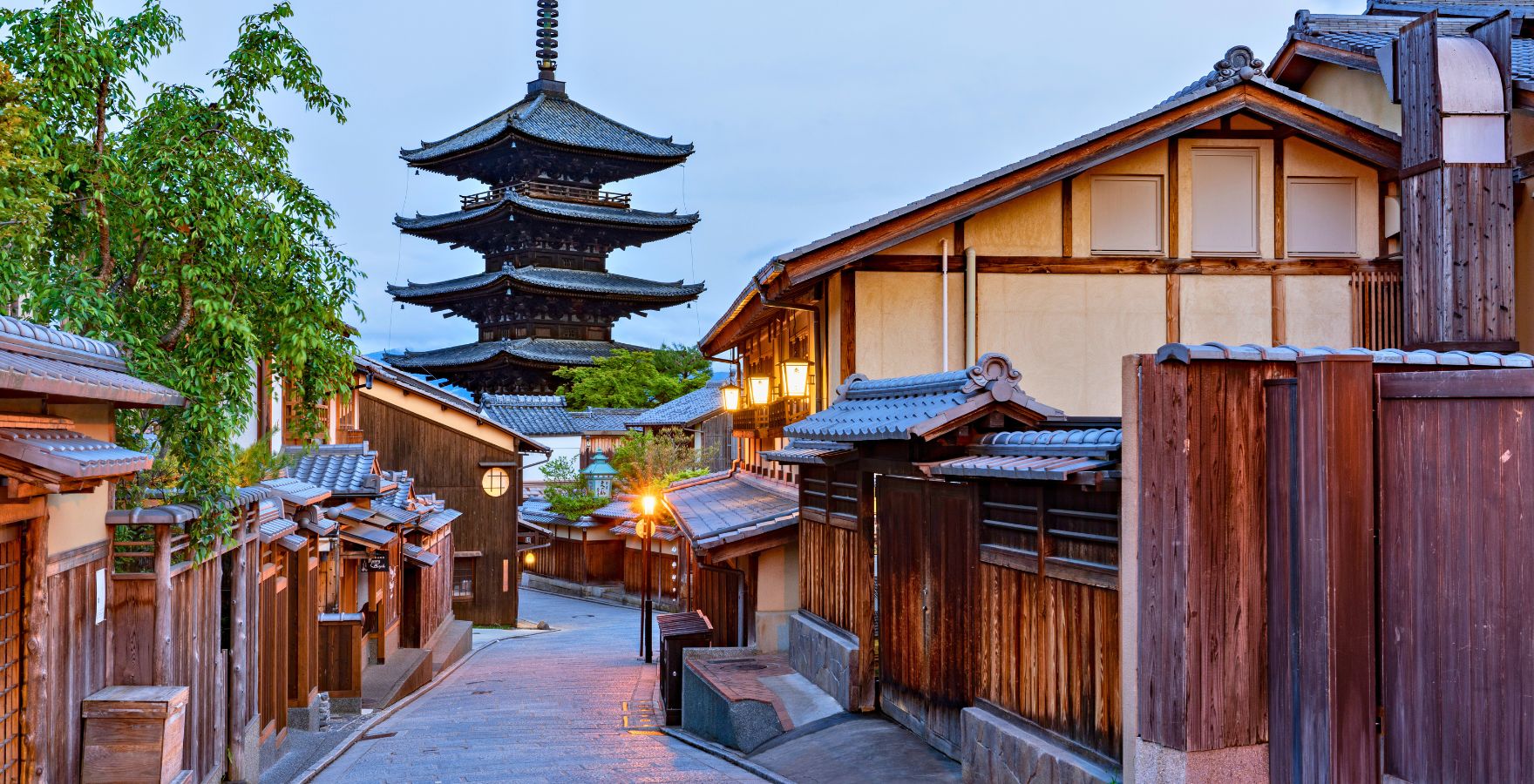
Kyoto has long flourished as the cultural heart of Japan.
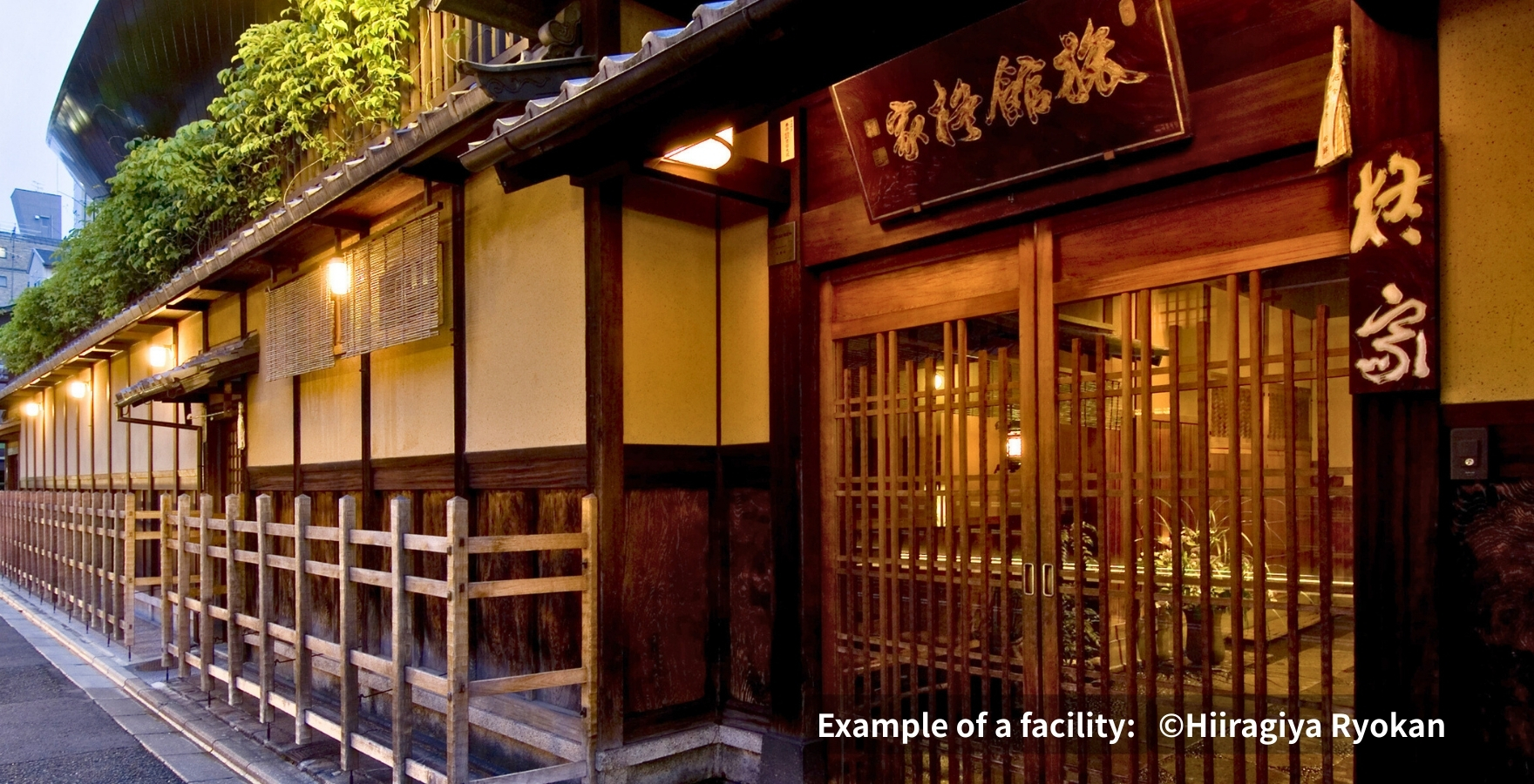
Among its many traditions, one of the most immersive ways to experience Kyoto’s heritage is by staying at a ryokan, a traditional Japanese inn.
Kyoto’s ryokan offer a rich cultural experience through every detail—from their refined architecture and serene interiors to seasonal Kyoto cuisine (Kyo-ryori) and the heartfelt spirit of omotenashi (Japanese hospitality) expressed by staff in elegant kimono.
Guests can engage all five senses as they enjoy tatami-matted rooms, shoji screens, and dishes crafted with local ingredients.
Across Kyoto Prefecture, each region features ryokan with distinct personalities, welcoming guests with local specialties and warm hospitality rooted in their unique traditions.
Hot Spring Information in Kyoto Prefecture
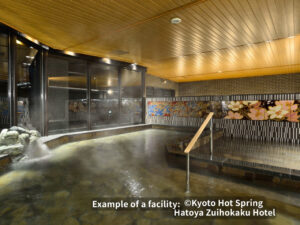
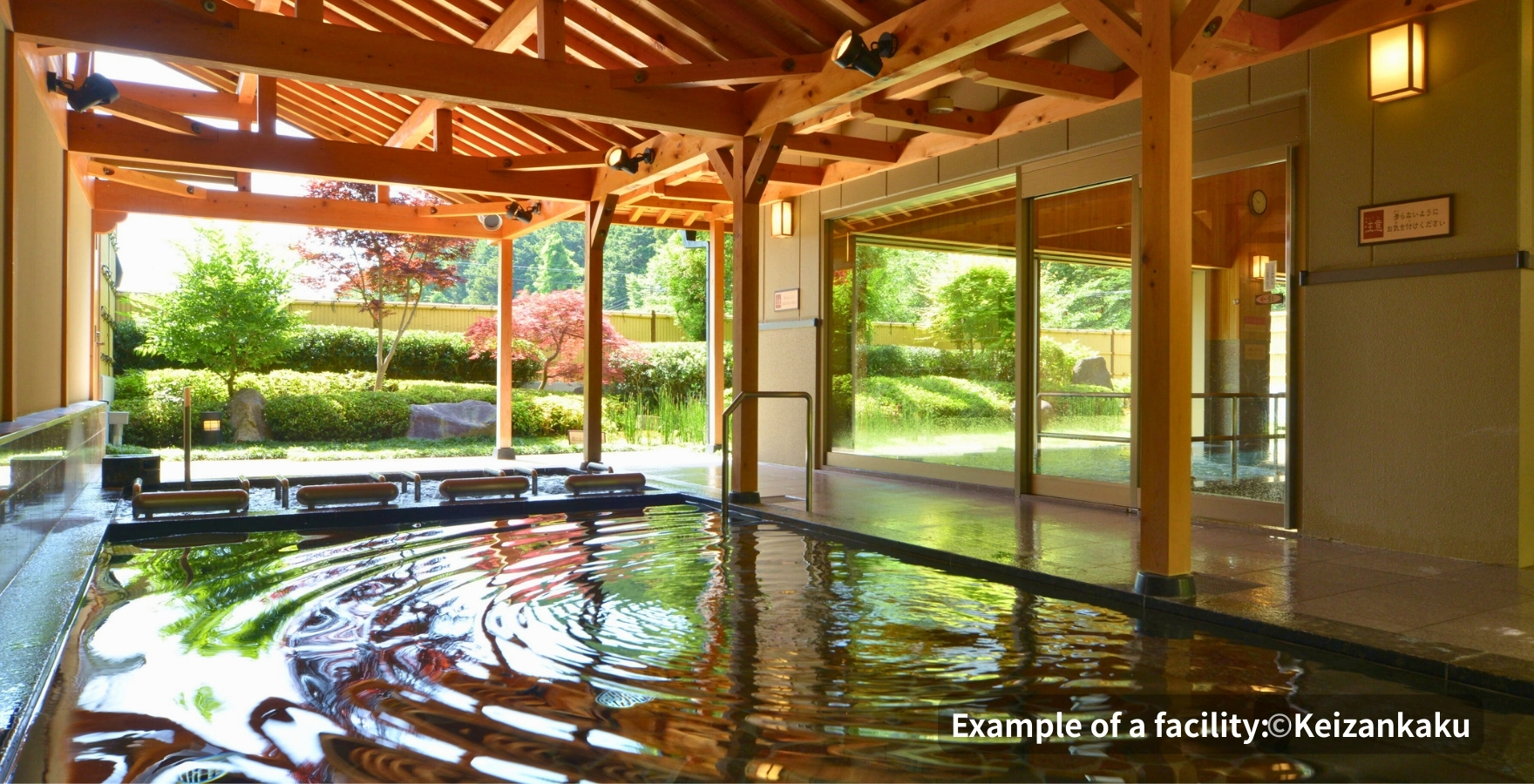
Conveniently located in front of Kyoto Station, Kyoto Onsen welcomes you with a blend of art, hot springs, and traditional Kyoto charm. Its appeal lies in its convenient location, perfect as a base for both sightseeing and business, allowing you to easily enjoy a relaxing onsen experience.
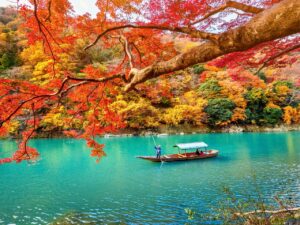
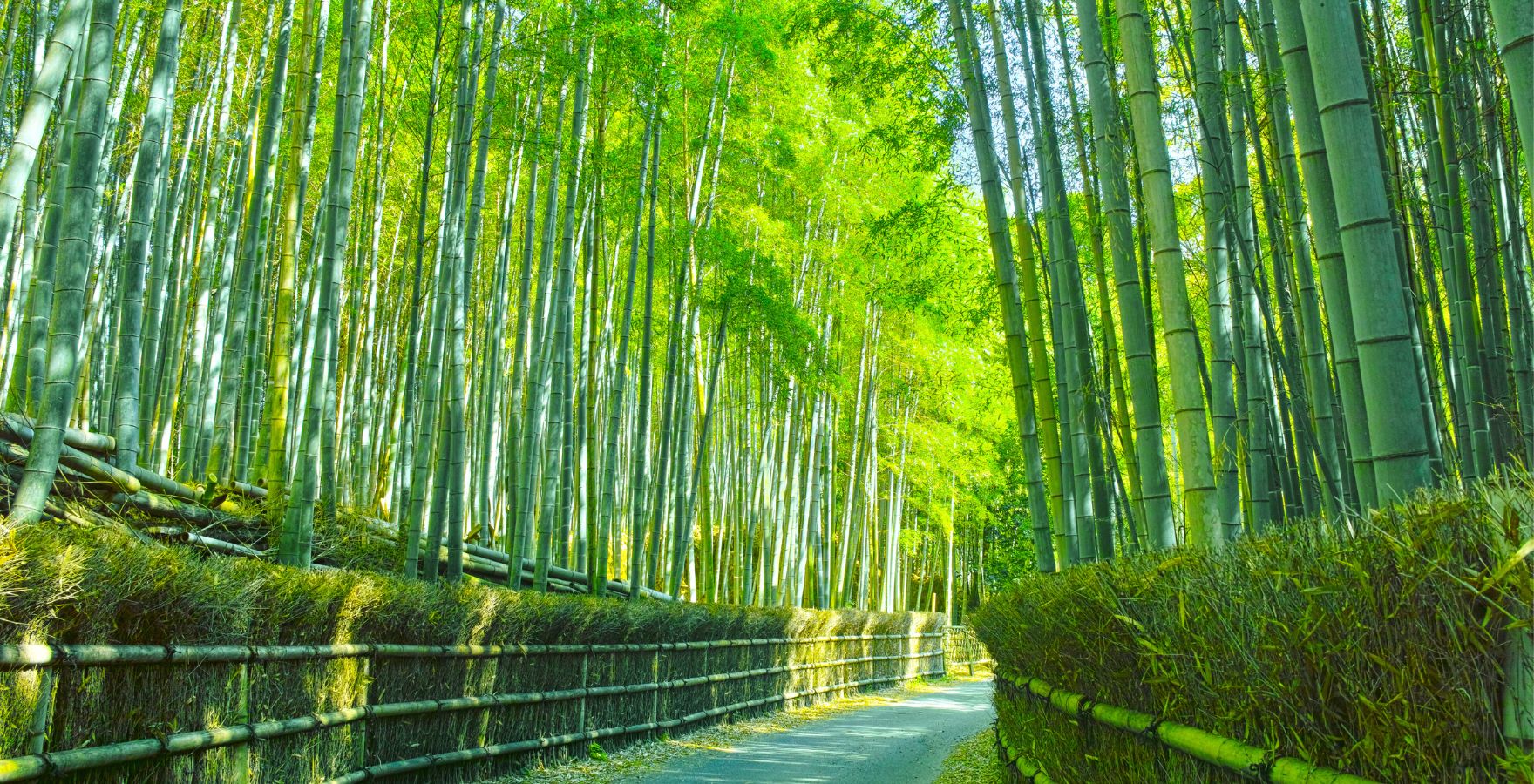
Arashiyama Onsen springs forth in Arashiyama, an area that has flourished as an aristocratic villa retreat since the Heian period. It still retains a rich, elegant Kyoto atmosphere, dotted with historic temples, famous landmarks like Togetsukyo Bridge, and ancient sites. Its appeal lies in the ability to combine a relaxing hot spring experience after exploring one of Kyoto’s most popular tourist destinations.
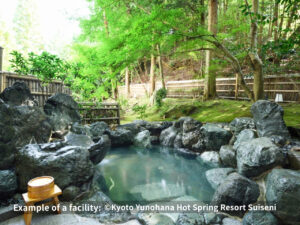
Yunohana Onsen, known as “Kyoto’s inner parlor” (Okuzashiki), is nestled in a quiet mountain valley approximately 7 kilometers west of Kameoka City’s center. This tranquil hot spring village, steeped in history, is said to have healed wounded samurai during the Sengoku period—offering a truly soothing escape from the everyday.
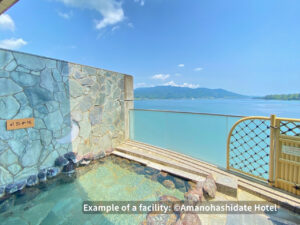
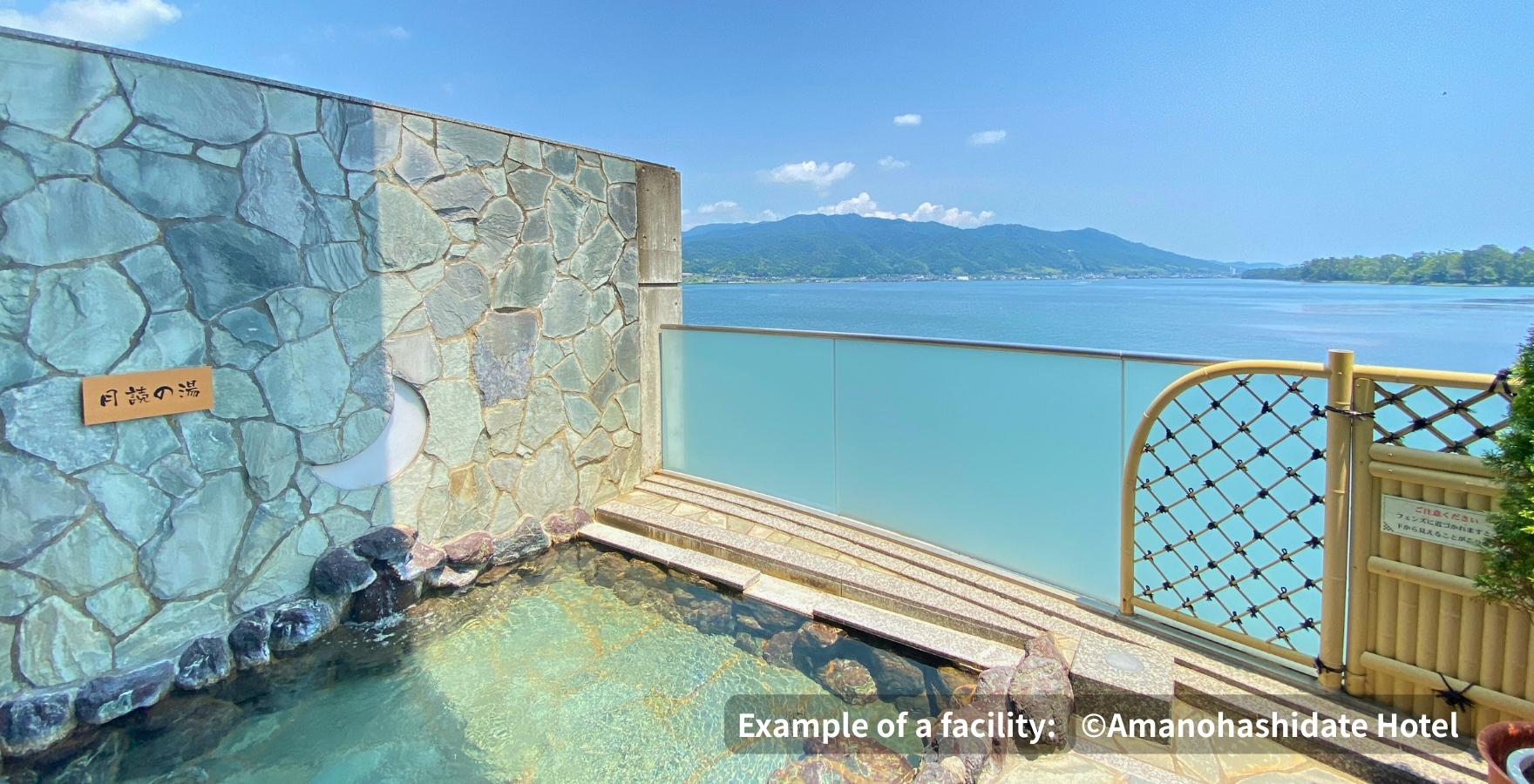
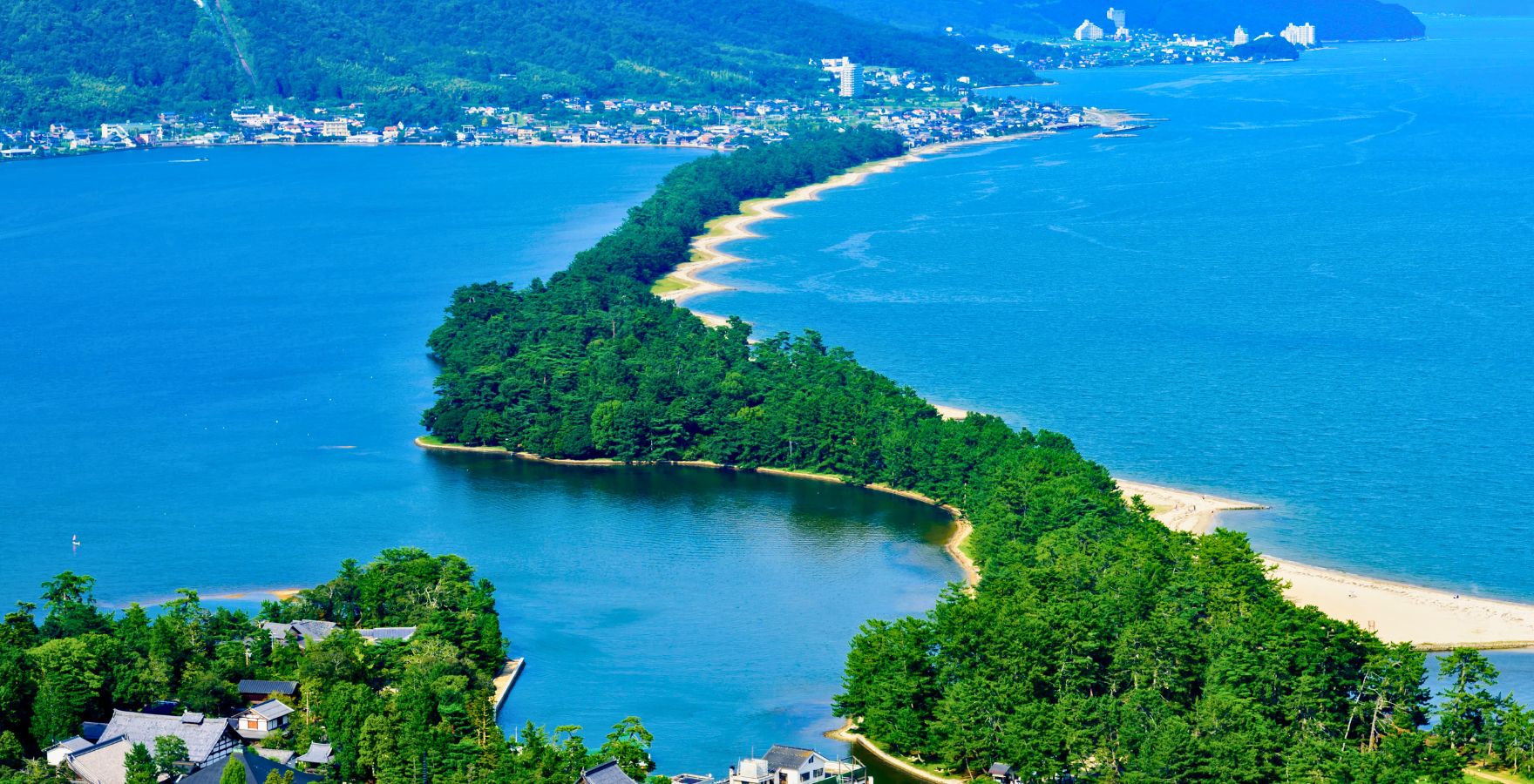
Amanohashidate Onsen springs up near Amanohashidate, one of Japan’s Three Scenic Views. Known as “hot water for beautiful skin,” it is characterized by its soft waters. Some accommodations offer hot spring baths with magnificent views of Amanohashidate’s pine groves. It is an ideal hot spring resort for a sightseeing base.
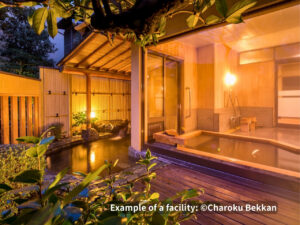
Miyazu Onsen offers accommodations featuring open-air baths that boast views of Amanohashidate’s pine groves and Miyazu Bay. The central area also preserves charming old townscapes, including Edo-period merchant houses and inns designated as National Registered Tangible Cultural Properties.
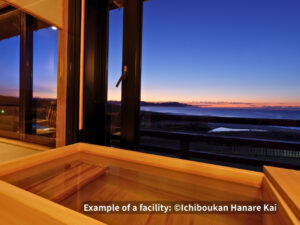
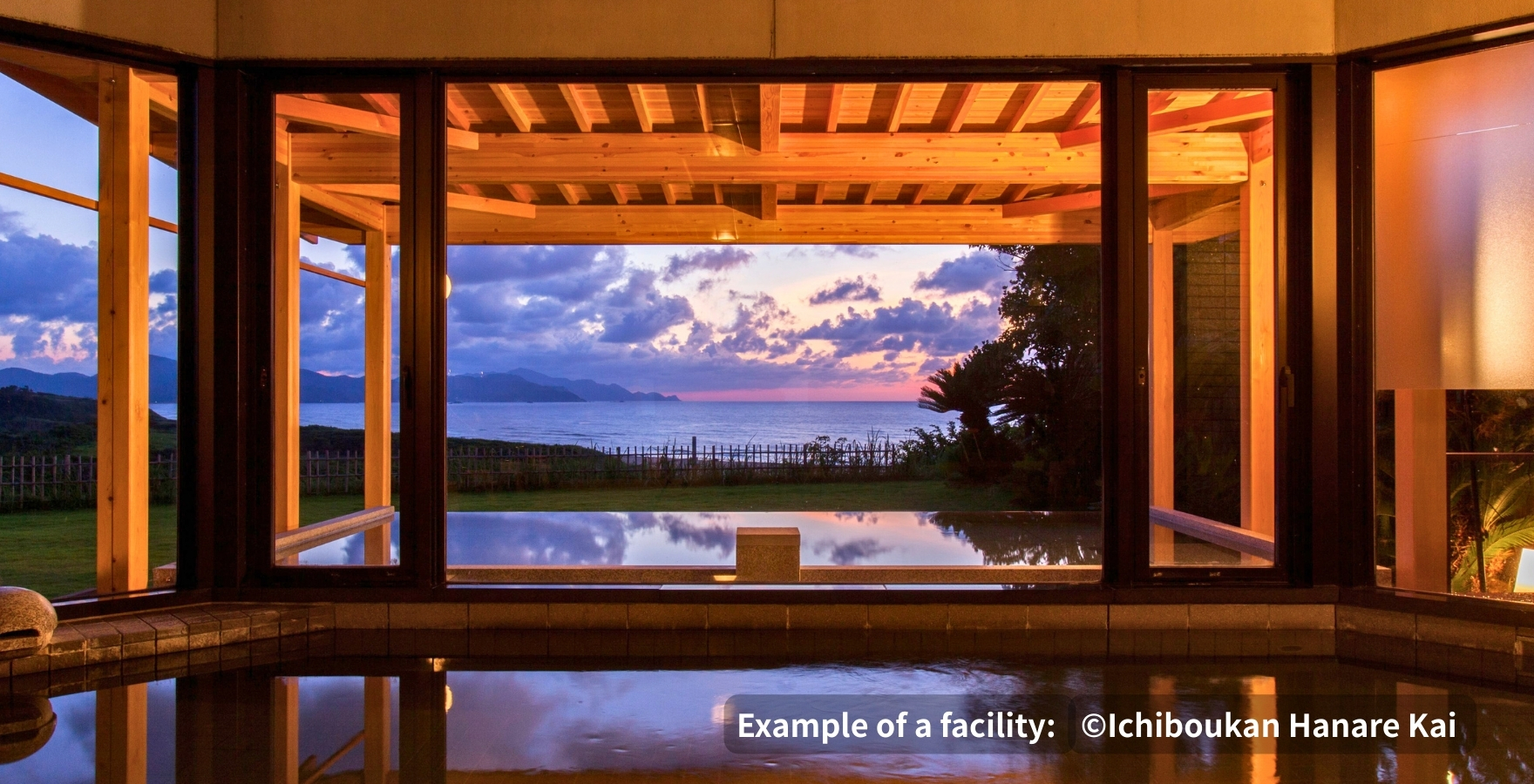
Yuhigaura Onsen is located in Kyotango City, at the northernmost tip of Kyoto. As its name suggests (“Sunset Bay”), it is a coastal hot spring resort famous for its beautiful sunsets, having been selected as one of “Japan’s Top 100 Sunsets.” Visitors can enjoy sea bathing in summer and delicious crab dishes in winter, offering seasonal delights.

Taiza Onsen springs up in Taiza, a small fishing town in northern Kyoto. The hot spring experience while gazing at the Sea of Japan is truly exceptional. From November 6th to March, many accommodations offer delicious crab cuisine, allowing visitors to fully indulge in both crab and hot springs.
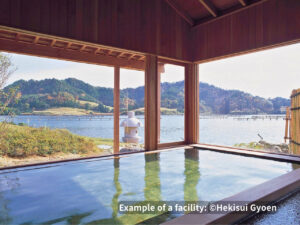
Kumihama Onsen is located in Kumihama Town, which is part of the San’in Kaigan National Park, an area featuring endless long beaches and numerous hot spring resorts. With oyster farms stretching across its calm inland sea, it’s a perfect place to savor both delicious local cuisine and relaxing hot springs.
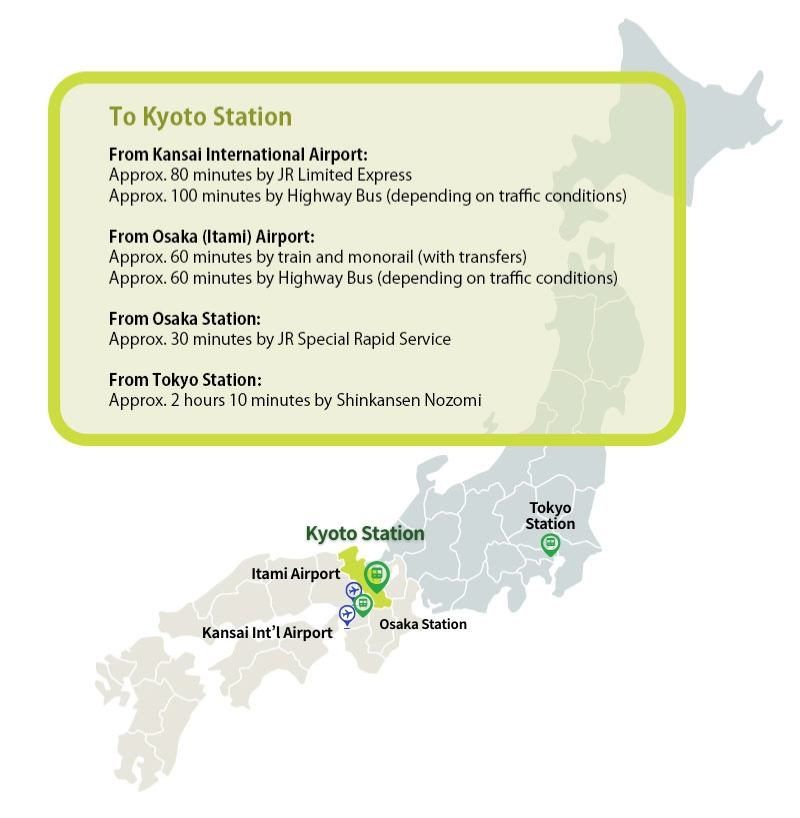
FAQ – Access
Please refer to the Kyoto Prefecture Official Tourism Guide below:
https://www.kyototourism.org/en/etiquette/(External Link ↗)
From Kyoto Station, take a Limited Express train and alight at “Amanohashidate Station”. All seats on the Limited Express are reserved.
From Kyoto Station, take the JR Nara Line and alight at “Uji Station”. Alternatively, take the Keihan Electric Railway and alight at “Keihan-Uji Station”.
We recommend booking Kyoto’s experience content from the page below:
https://link-kpjt.com/en/ (External Link ↗)
Make the most of the SPA PASS, a convenient e-ticket that lets you experience onsen hopping at up to three of ten hot spring facilities in Kyoto City.
https://kyoto.tourism-pg.com/detail/ticket_hub/80113/ (External Link ↗)
Kyoto in Winter: Gourmet Delights
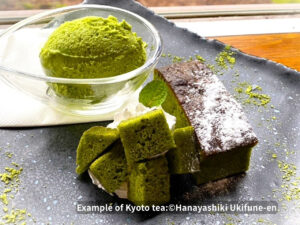
Experience the tea culture centered in the Uji region through desserts and various dishes.
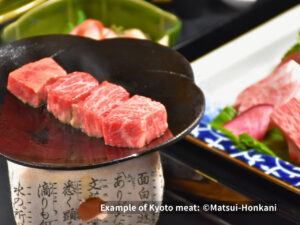
Please enjoy the delicate flavor and refined texture of Kyoto meat prepared in a distinctly Kyoto style.
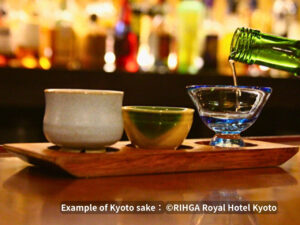
Kyoto sake, produced in breweries in Fushimi and Tango, pairs exceptionally well with Kyoto cuisine.
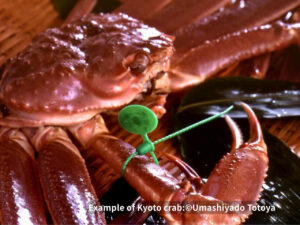
The crab offered in the northern Kyoto Prefecture area during winter is exquisite. Please enjoy it prepared in various ways.
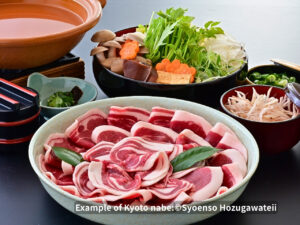
Warm up with nature’s bounty such as Botan Nabe (wild boar hot pot) from Yunohana (Kameoka City) and Buri Shabu (yellowtail hot pot) from the Tango region.

